Categories
News

Welcome to IMCBio – new PhD students 2025-2026 – Part III

A portrait of our newly minted IMCBio PhD researchers

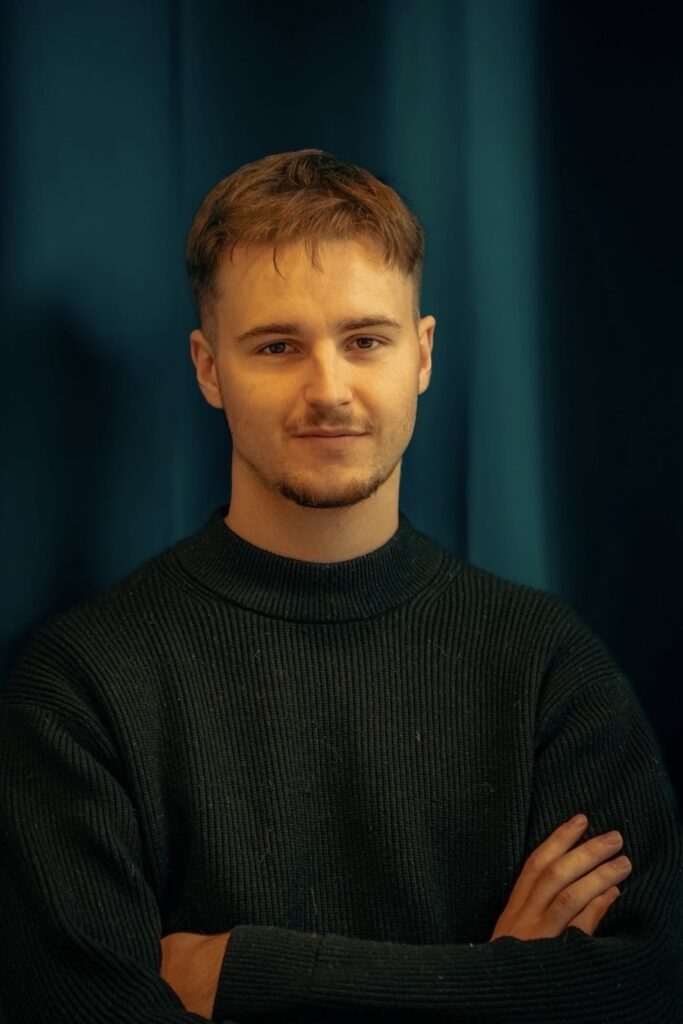
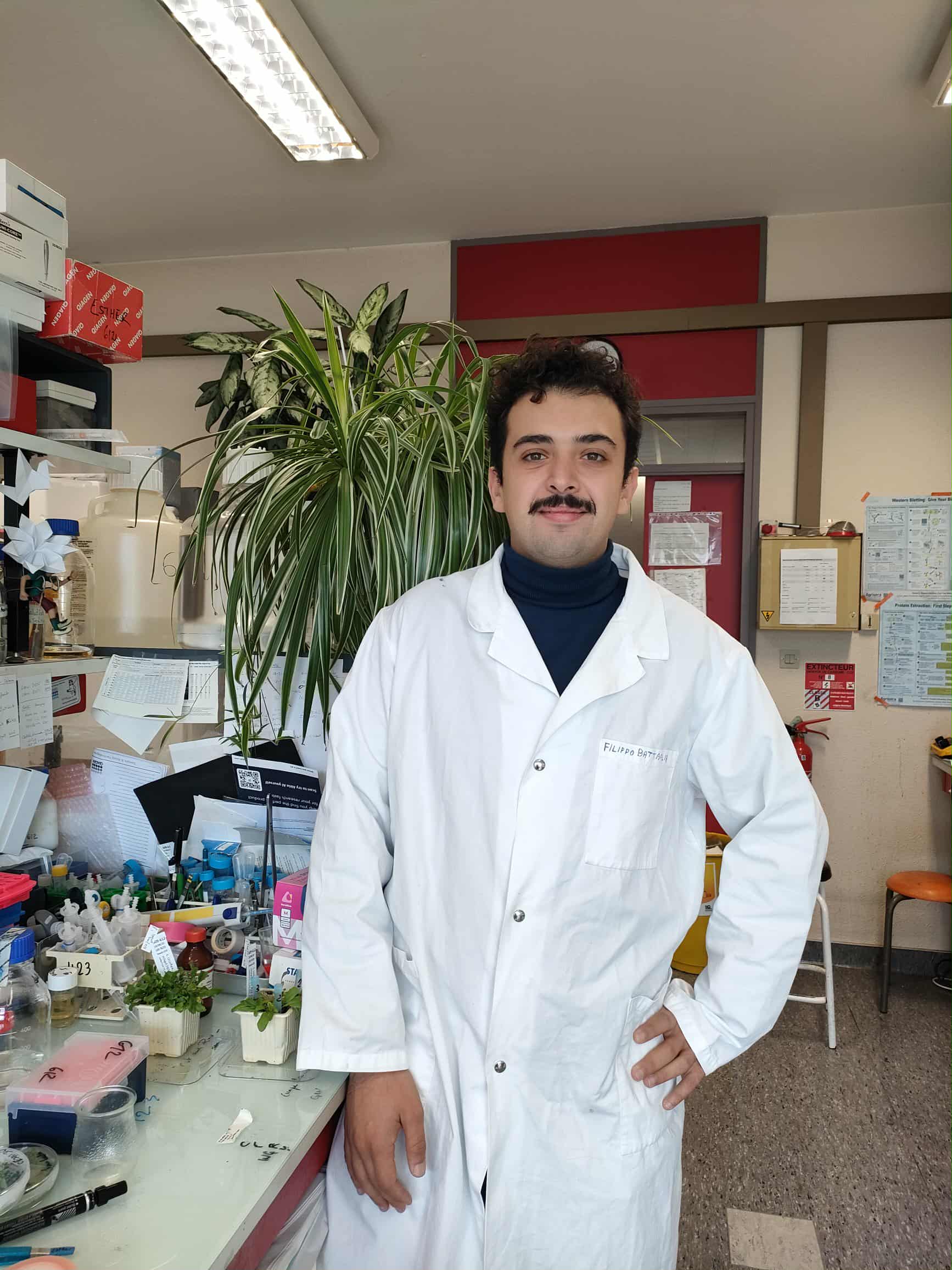
This week we present the portrait of Filippo Battaglia, from Italy.

Filippo Battaglia – Pascal Genschik’s team, IBMP

Filippo is from Italy. He obtained his bachelor’s degree in General Biology at the University of Palermo. Driven by a long-standing interest in plant biology, he then enrolled in a double-degree master’s program between Université Grenoble Alpes and the University of Milan.

During his master’s studies, he carried out several research internships in both Milan and Grenoble. In Milan, he worked in Perrella’s lab on Histone Deacetylase Complex1, while in Grenoble he joined Carles’s lab, where he studied ULTRAPETALA1. For his master’s thesis, supported by a scholarship from the University of Milan, he joined the lab of Gallego-Bartolomè and worked on chromatin remodelers in Arabidopsis.

After completing his master’s degree, Filippo took a six-month break to travel across Europe, from Scandinavia to the Balkans. Following this experience, he returned to research as a fellow in Perrella’s lab, where he worked again on HDC1, this time in tomato, for six months.

In September 2025, he joined the lab of Pascal Genschik at the Institut de Biologie Moléculaire des Plantes (IBMP). His current research focuses on Post-Transcriptional and proteolytic control of DNA damage responses in Arabidopsis.

In his free time, I enjoy hiking and reading.
He adds “I chose IMCBio because of the international reputation of the IBMP, the strong expertise in the field of the Genschik’s Lab, and the unique position of Strasbourg at the heart of Europe”.
Categories
News

Welcome to IMCBio – new PhD students 2025-2026 – Part II

A portrait of our newly minted IMCBio PhD researchers

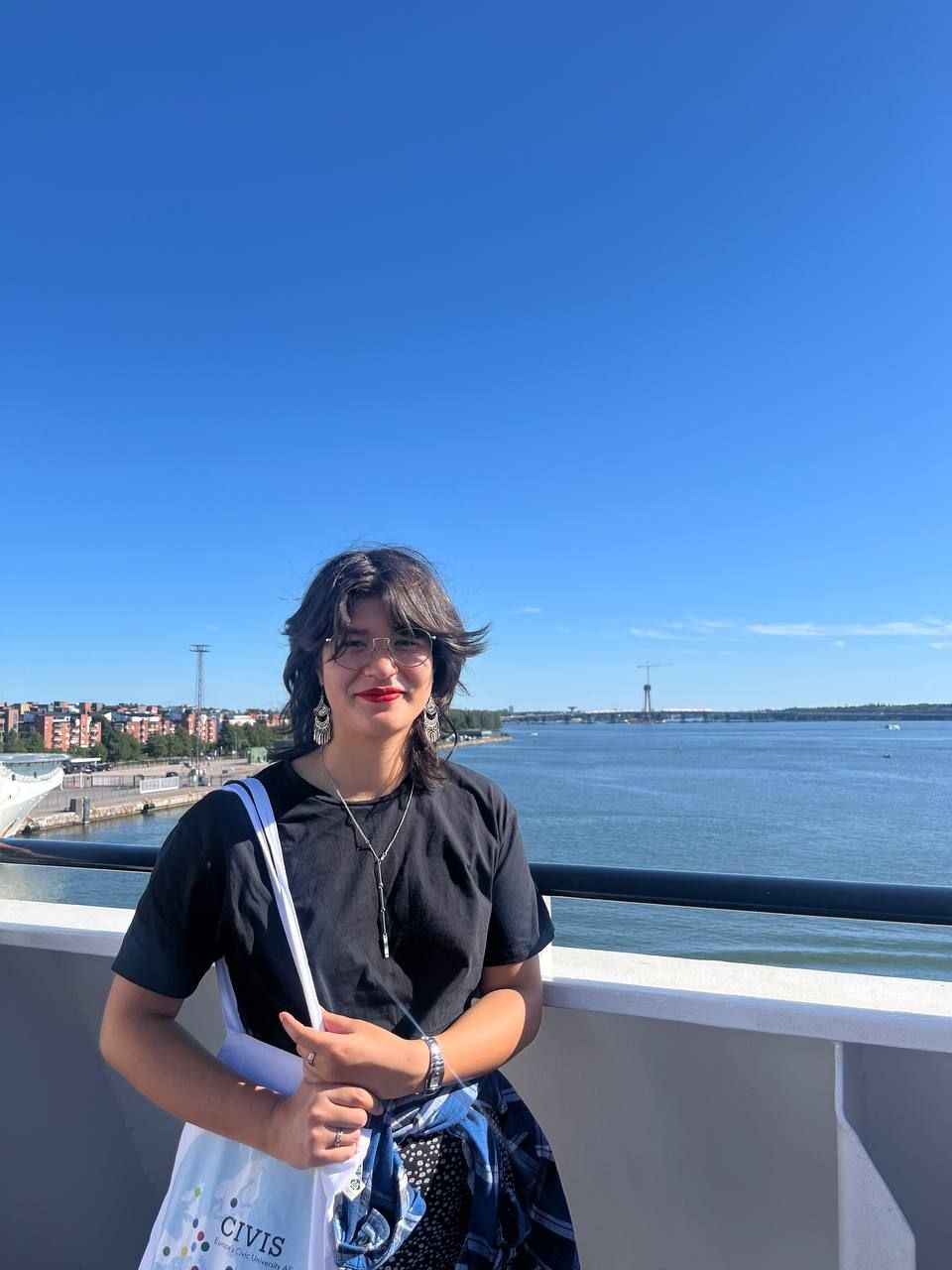
This week we have the portraits of Inzhu Tanoz, from Kazakhstan, and Loïc Boeglin, from France.

Inzhu Tanoz – Mikhail Eltsov’s team, IGBMC

Inzhu Tanoz is from Almaty, Kazakhstan. She completed her bachelor’s degree in Molecular and Cellular Biology in Strasbourg, followed by an M1 in Structural Biochemistry in Marseille.
She then realized that she preferred Strasbourg both for the master’s program and the city itself, so she returned to do M2 in Bioinformatics and Structural Bioimaging.

Her supervisor is Prof. Mikhail Eltsov, and herproject is about chromatin architecture. The main technique is cryo-electron tomography, a relatively recent method that requires many adaptations and methodological developments. Her work focuses mostly on image processing and analysis, so a large part of her PhD is computer-based, although she also does some bench work. She says “I enjoy the diversity of my work and the collaborative aspect of the project”.

Outside the lab, she does stand-up comedy in English and enjoy crocheting.

During her M2, she was part of the IMCBio master’s program, and she “appreciated the strong interdisciplinary training, international atmosphere, and supportive community”.
Continuing with the IMCBio PhD program felt like a natural choice for Inzhu, offering access to state-of-the-art facilities, and opportunities for both scientific and personal development.


Loïc Boeglin – Nicolat Charlet’s team, IGBMC

Loïc Boeglin comes from a small village in the Haut-Rhin region of Alsace, France. He completed his bachelor’s degree in Cellular and Molecular Biology at the University of Strasbourg, within the Faculté des Sciences de la Vie, and subsequently obtained his master’s degree at the same university.
He says “I chose the Master’s program in Genetics and Molecular Biology because I have always been interested in pursuing a research career, and this program offered the most suitable academic and scientific training for this goal”.

As part of the master, he joined Nicolas Charlet’s team, which focuses on neurodegenerative and neuromuscular diseases — an area that strongly interested Loïc and continues to do so. The team is located at the IGBMC in Illkirch-Graffenstaden and is part of the Translational Medicine and Neurogenetics department. “I greatly appreciated both the research topic and the working environment, he adds, which led me to return to the same laboratory for my second-year master’s internship.”

Loïc is now a first-year PhD student in this team. His research focuses on the molecular basis of Spinocerebellar Ataxia type 36 (SCA36), a rare autosomal dominant neurodegenerative disorder caused by the expansion of GGGCCT hexanucleotide repeats in the first intron of the NOP56 gene. Although NOP56 is known for its essential role in ribosomal RNA processing, the molecular mechanisms by which this repeat expansion leads to neurodegeneration remain poorly understood.
Using classical cellular models, induced pluripotent stem cells, patient-derived tissues, and animal models, his PhD project aims to determine how an expansion located in a sequence annotated as “non-coding” can drive neurodegeneration, particularly in the context of SCA36.

He concludes “I am very grateful to be part of the IMCbio PhD program, which offers valuable opportunities for interdisciplinary training, collaborations, and scientific development that will be highly beneficial for my future career”.

Categories
News

Welcome to IMCBio – new PhD students 2025-2026

A portrait of our newly minted IMCBio PhD researchers

After two stimulating rounds of PhD applicant interviews in the late Spring – early Summer, we are welcoming in Strasbourg the new IMCBio PhD students. Eleven young researchers are starting their PhD within the IMCBio program this year.

We will present in this section brief biographies of these new IMCBio colleagues. Make sure to keep an eye on our news posts!

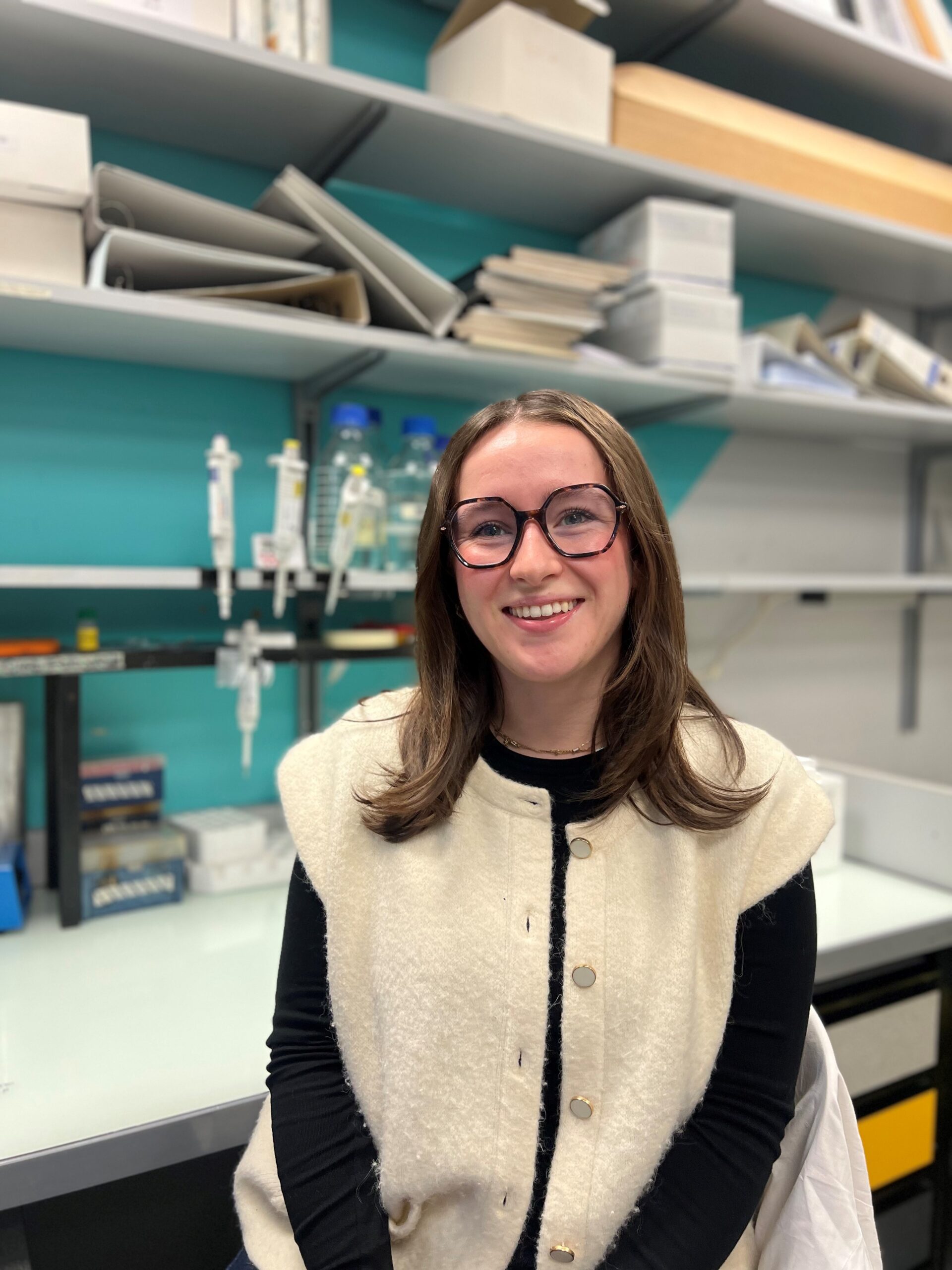
Louise Couturier – Stéphane Vincent’s team, IGBMC

Louise Couturier comes from a city near Paris where she grew up and completed her studies up to the end of her bachelor’s degree.
She first studied biology and chemistry at Université Paris-Saclay, where she discovered the thrill of research through two internships, and particularly one in developmental biology.

These experiences motivated she to move to Strasbourg to join the Molecular Genetics of Development and Stem Cells master’s program to strengthen her skills in developmental biology and scientific research.
“During my master, she says, I had the opportunity to meet Stéphane Vincent, who offered me the chance to join his lab for my second-year internship to work on a topic that truly fascinates me: oogenesis and early embryogenesis.”
She was now fortunate to pursue my PhD in the same lab under the supervision of Stéphane Vincent, working on the transition in the RNA polymerase II machinery during oocyte growth and early embryogenesis.

Besides science, one of her hobbies is reading, which she particularly enjoys doing during her tram rides to Illkirch [where the Stéphane Vincent’s team is located, editor’s note].

She adds “I chose to join the IMCBio PhD program because it offers the opportunity to be part of a dynamic and collaborative scientific community.  I believe the program provides high-quality training and strong support for the development of young researchers, which will be highly beneficial for my growth as a scientist”.


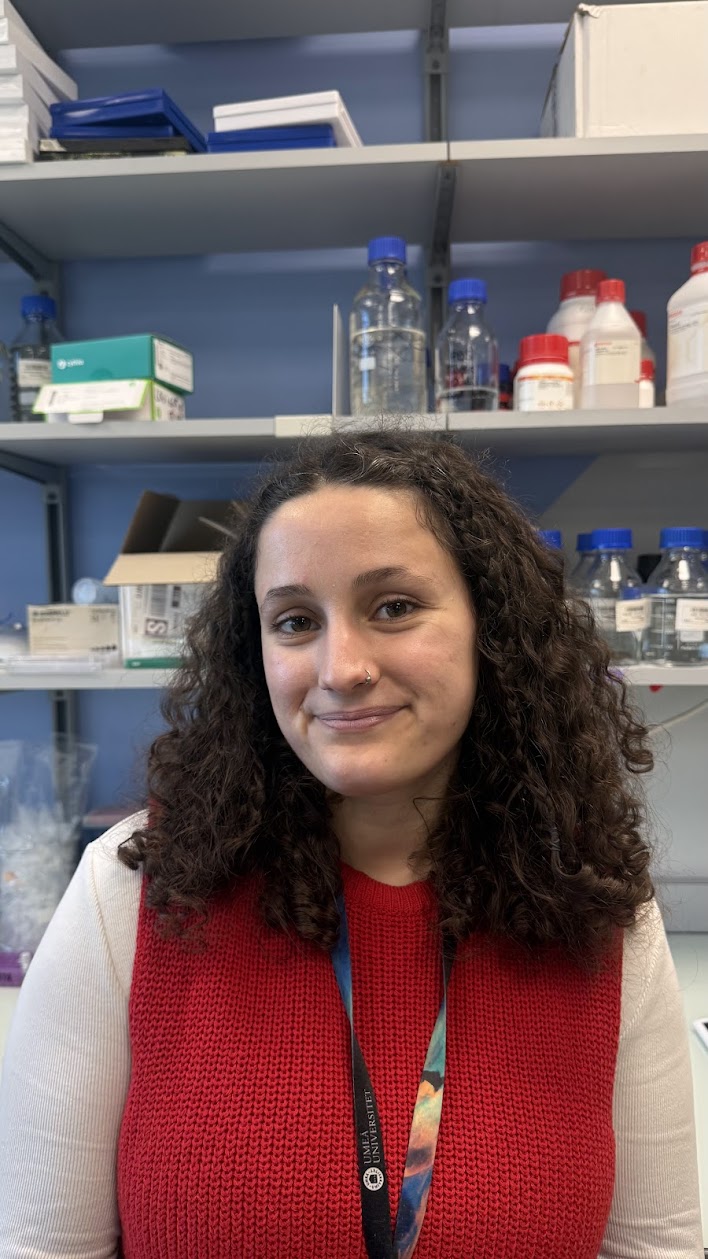
Estelle Giunta – Christelle Golzio’s team, IGBMC

Estelle Giunta comes from Arles, in the south of France. She began her bachelor’s degree in Life Sciences in Montpellier for the two first years before moving to Umeå in Sweden for a year of ERASMUS+ exchange.
She explains “This experience definitely shaped me, personally and academically, by allowing me to integrate in a true multicultural environment. I also had the chance to do an internship there”.

She then returned to France to join the Biotechnologies Master’s program of Toulouse, “BSM2T: Biomolecular Sciences – Mechanism and Therapeutics Targets”.

Estelle has always been strongly interested in contributing to translational medicine and therapeutics mechanisms.
“I had the chance to study ribosome biogenesis during
my Master 1 internship, she adds, but for my M2 internship, I broadened my horizon to the IGBMC and joined Christelle Golzio’s lab, in which I pursue my IMCBio-PhD now !”

Her project aims to model autism using IPSc-derived neurons and cerebral organoids, focusing on the copy number-variation of the human 1q21.1 locus and its impact at the molecular and cellular levels.

She concludes “I chose the IMCBio program for its unique environment, which fosters international relations and offers opportunities for scientific growth, both technically as personally. I am excited to contribute to advancing our understanding of neurodevelopmental disorders, and to actively participate in this stimulating scientific environment.”

Categories
News

Welcome to IMCBio – new PhD students 2024-2025 – Part V

A portrait of our newly minted IMCBio PhD researchers

In our fifth edition of Welcome to IMCBio we have portrait from Fanny, from France.

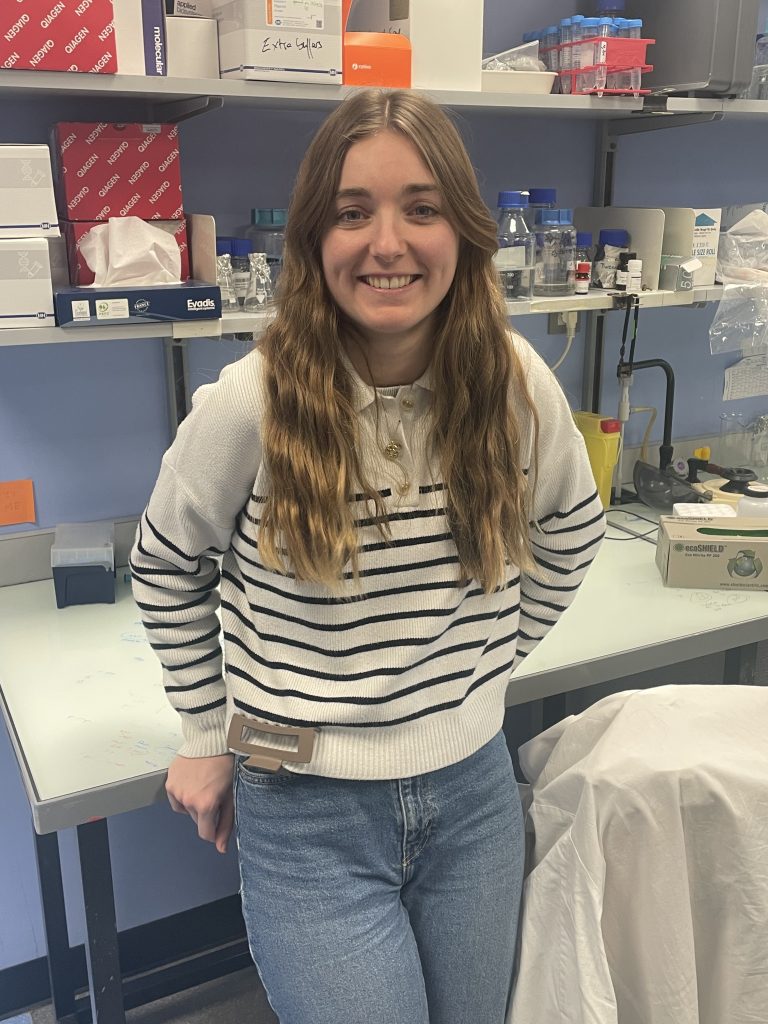
Fanny Lebois Manuel Mendoza’s team, IGBMC

Originally from France, Fanny completed her Master’s degree in Molecular Biology and Genetics at the University of Bordeaux in 2024. During her studies, she developed a strong passion for gene regulation, particularly at the level of RNAs. She gained hands-on experience through four internships, both in France and abroad (Karolinska Institutet in Stockholm and Gurdon Institute in Cambridge, UK). These experiences allowed her to work in multidisciplinary research environments and significantly enriched her scientific expertise.

Since September 2024, Fanny has been a PhD student at the IGBMC in Strasbourg, working in Manuel Mendoza’s team. Her research focuses on unraveling the molecular mechanisms of gene-specific buffering of mRNAs in mouse embryonic stem cells and during differentiation.

Fanny chose the IMCBio program for its emphasis on interdisciplinary research and its vibrant international community, which provides unique opportunities for collaboration and scientific growth. She is excited to contribute to the dynamic and innovative environment fostered by the IMCBio program while advancing her knowledge in molecular biology and gene regulation.

Categories
News

Welcome to IMCBio – new PhD students 2024-2025 – Part IV

A portrait of our newly minted IMCBio PhD researchers

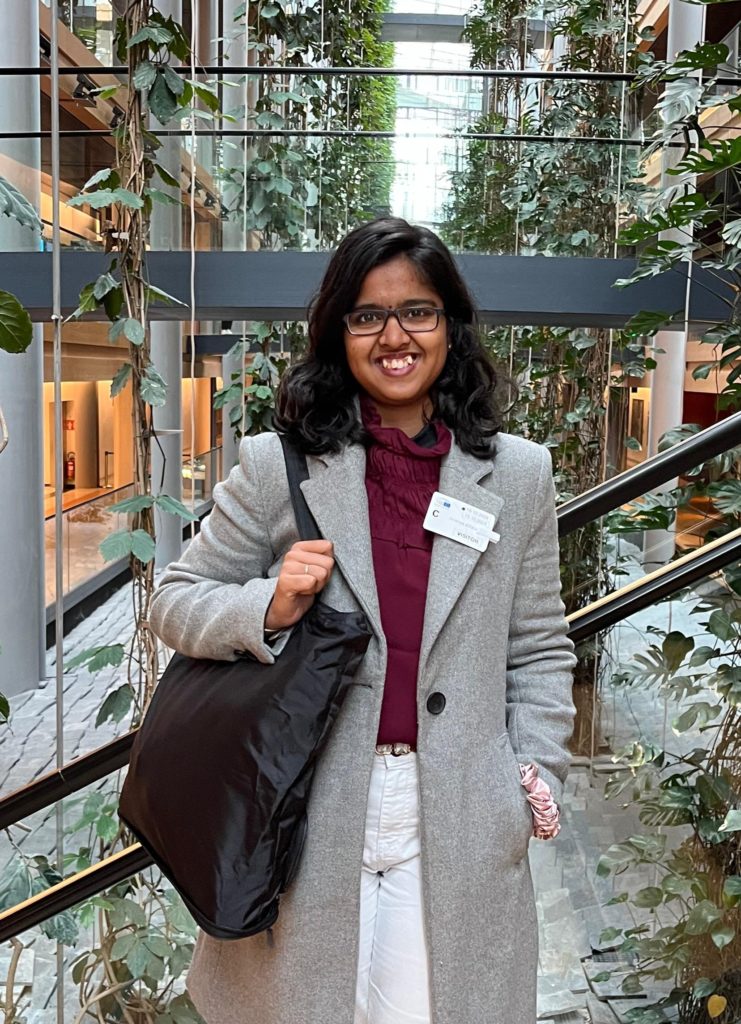
In our fourth edition of Welcome to IMCBio we have portraits from Ananya, from India.

Ananya Aravind Catherine-Laure Tomasetto’s team & Jean-Luc Imler and Carine Meignin’s team, IGBMC & IBMP

Ananya Aravind is from Tamil Nadu, India, and she hold a 5-year BS-MS dual degree in Biology with a Minor in Chemistry from the Indian Institute of Science Education and Research, Thiruvanathapuram (IISER TVM). Her interest in organelle biology grew during her master’s thesis, where she explored the role of E3 ligases in peroxisomal dynamics. Further, she also completed an M2 internship at ENS-Paris Saclay, Paris, where she investigated the organelle dynamics of mitochondria and peroxisomes in neuronal cells.

Her PhD project is co-supervised by Dr. Fabien Alpy from the team Molecular and Cellular Biology of Breast Cancer at IGBMC and Dr. Carine Meignin from the team Antiviral Immunity in Insects at IBMC. She says “my decision to join the IMCBio program was strongly motivated by the opportunity to gain expertise in working with both Drosophila and mammalian cell models in my PhD project”. According to Ananya, the IMCBio program offers an ideal environment for developing advanced research skills, with its collaborative approach and access to cutting-edge facilities and resources : “This dynamic setting will allow me to contribute to impactful research while advancing my academic and professional growth”.

She adds : “During my internship in France in 2023, I had the chance to visit Strasbourg and was immediately drawn to the city’s beauty and its vibrant scientific community”.

Beyond research, Ananya is passionate about dancing and exploring different art forms, such as mandala art, portraiture, and scientific illustration.